Intimate Lighting Blueprints: Candlelit & Midnight Scenes
Ever felt a room instantly relax you, while others feel cold? The secret is often in the shadows and warmth. By mastering intimate lighting, you can make any room feel like a movie set, full of deep emotions.
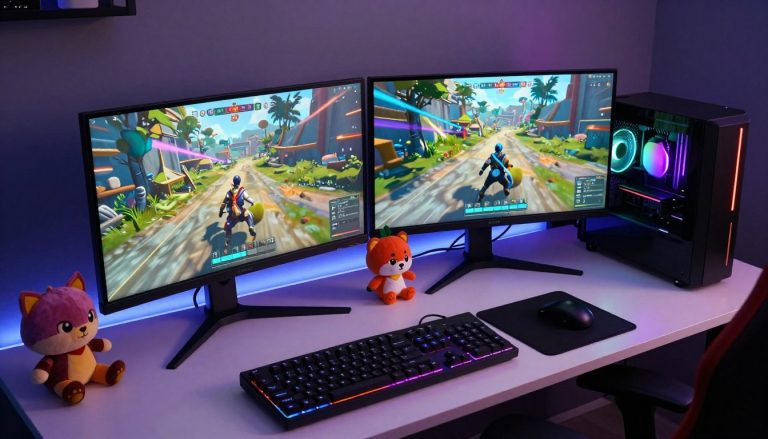
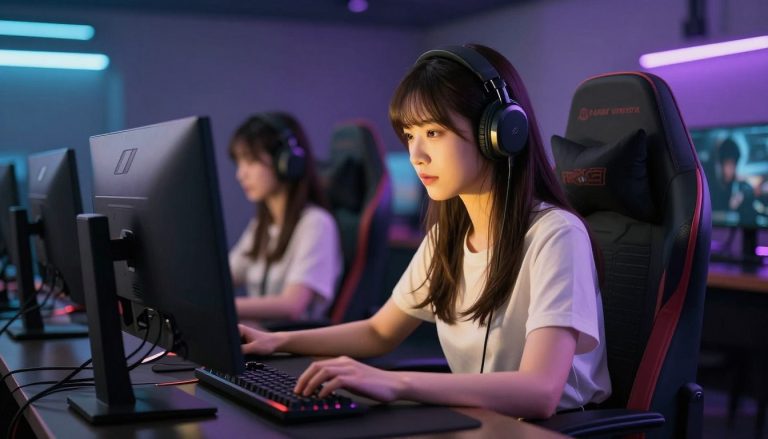
You don’t need a big budget for professional results. Whether it’s for home decor or content creation, these tips add a sophisticated edge. We’ll show you how tools like pokimane ai intimate lighting can create the perfect midnight vibe.
Get ready to turn your space into a visual masterpiece. Let’s explore the blueprints that add warmth and depth to your life.
Key Takeaways
- Learn to manipulate shadows to create a professional cinematic mood.
- Discover how to use warm tones to enhance the comfort of your home.
- Understand the balance between brightness and visual interest in small spaces.
- Apply advanced setup strategies to elevate your personal content creation.
- Master the art of layering light to achieve a high-end, sophisticated look.
Mastering the Fundamentals of Low Light Ambiance
Creating a intimate lighting atmosphere starts with controlling light and dark. Ambient lighting is key in interior design, setting the mood of your space. By balancing your light sources, your low light setup stays consistent and professional.
Understanding the Psychology of Shadows
Shadows are more than just the lack of light; they add depth and mystery. Allowing shadows to fall naturally softens a room’s edges, creating a sense of calm and privacy. Strategic placement of light guides the viewer’s eye to certain points, while the rest stays dim.
Harsh contrasts can ruin the look you’re going for. Aim for a smooth transition between light and dark areas. This balance makes your cozy environment feel thoughtful, not accidental.
Essential Gear for Intimate Lighting Setups
To control your scene, you need the right tools. High-quality dimmers and smart bulbs let you fine-tune your intimate lighting. Diffusers or softboxes manage light quality, keeping your low light space welcoming and glare-free.
| Tool | Primary Function | Impact on Ambiance |
|---|---|---|
| Smart Dimmers | Adjust brightness levels | High control for intimate lighting |
| Diffusion Filters | Softens harsh light beams | Reduces glare in low light |
| Warm LED Bulbs | Provides color temperature | Enhances cozy, intimate lighting |
| Accent Lamps | Adds localized illumination | Creates depth in low light |
Implementing Pokimane AI Intimate Lighting Techniques
Using advanced software lets you see your dream lighting before buying bulbs. With pokimane ai intimate lighting, you can plan your room’s layout with ease. This digital method makes sure every part of your space fits together perfectly.
Leveraging AI Tools for Lighting Simulation
Today’s tech lets you test lighting setups without real bulbs. AI tools create a virtual room grid, showing how light works with your furniture and walls. This proactive planning avoids mistakes and gets you the look you want.
These digital tools give you full control over your space. You can try out different light levels and angles without worry. This is the heart of pokimane ai intimate lighting, blending tech and creativity for a deep atmosphere.
Calibrating Color Temperatures for Midnight Aesthetics
Getting the right color temperatures is key for a midnight look. You want cooler tones that feel like moonlight. Adjusting your Kelvin settings changes the mood from bright to serene, nocturnal.
The table below shows how color temperatures change your room’s mood. It helps you perfect your pokimane ai intimate lighting setup:
| Color Temperature | Visual Effect | Best Use Case |
|---|---|---|
| 2700K – 3000K | Warm, cozy, candle-like | Relaxation zones |
| 4000K – 5000K | Neutral, clean, bright | Task-oriented areas |
| 6000K – 7500K | Cool, crisp, midnight blue | Atmospheric accents |
Keeping temperatures consistent is crucial. Make sure your main lights match your accent lights for a smooth look. With the right setup, your space will be both elegant and welcoming.
Setting the Stage for Candlelit Scenes
Soft, flickering light can make any evening special. By carefully setting up your space, you turn a regular room into a sanctuary of calm. The goal is to make a space that feels welcoming and personal.
Selecting the Right Light Sources
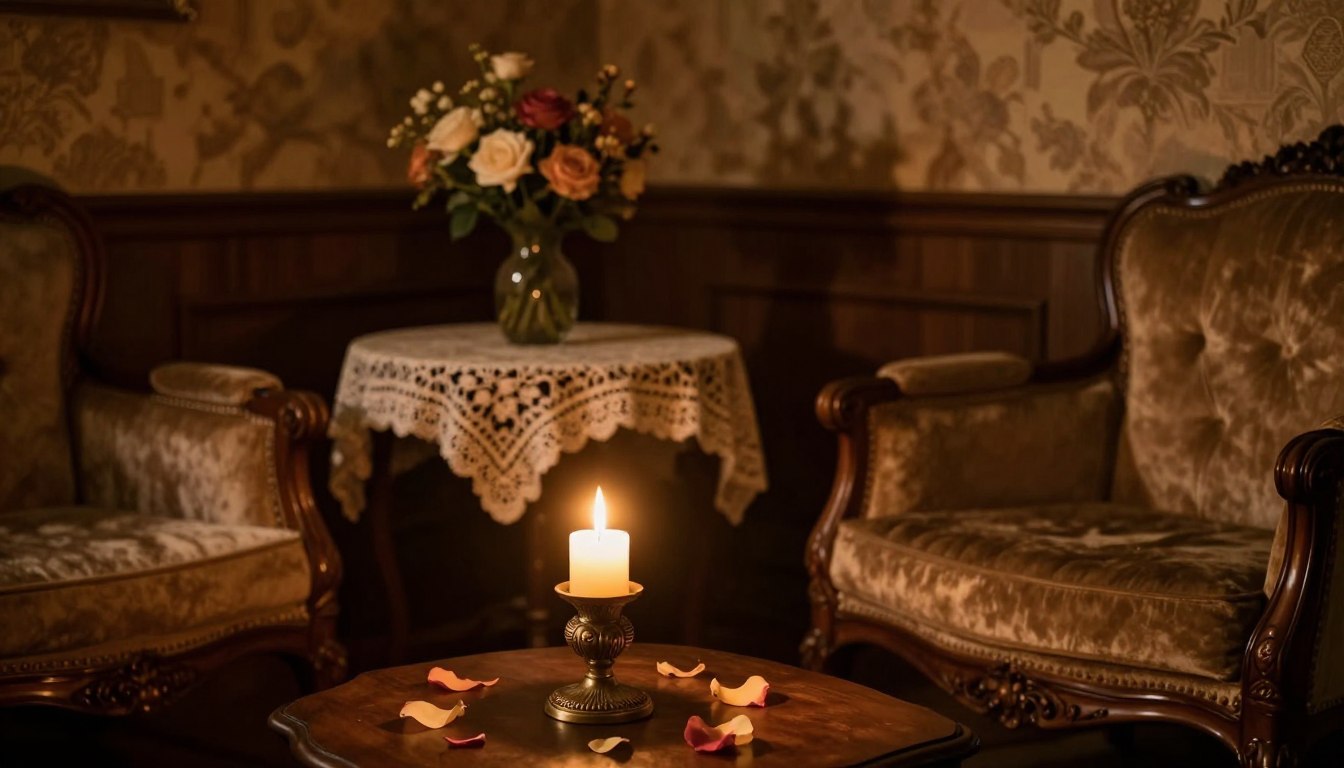
Choosing the right candles is key to a warm glow. Pillar candles stand out as they burn longer and more evenly. The candle holder also plays a role, adding texture and diffusing the light.
Quality wax is important to avoid smoke and uneven melting. Look for wax that burns clean and steady. Mixing different sizes and shapes adds interest to your decor.
“Light is the most important element in creating a mood; it is the silent storyteller of your home.”
Positioning Lights to Mimic Natural Flame Flicker
To mimic a real flame, think about the rhythm of your lighting. Don’t line candles up straight. Instead, group them in threes or fives for a natural look.
Place candles near mirrors or glass to bounce light. This makes shadows dance and softens the look. Strategic placement makes the light feel alive.
| Candle Type | Best Use Case | Ambiance Effect |
|---|---|---|
| Pillar Candles | Centerpieces | Bold and grounding |
| Taper Candles | Dining Tables | Elegant and vertical |
| Votive Candles | Small Nooks | Soft and intimate |
| Tea Lights | Glass Holders | Subtle and scattered |
The interaction between light and shadow sets the mood. Varying candle heights and distances creates a dynamic space. This simple trick turns your home into a cozy retreat for quiet moments or gatherings.
Creating Depth with Midnight Blue Tones
Midnight blue hues can transform a room into a place of mystery and elegance. In low light, these deep colors become a canvas. They add sophisticated visual contrast to your space.
By layering these colors, you create more than just light. You craft a cinematic environment.
Balancing Cool Tones and Warm Highlights
Using blue tones can make a room feel cold or unwelcoming. To avoid this, add warm highlights like amber bulbs or candlelight. These warm sources become a welcoming focal point.
This balance keeps your low light setup cozy. It also keeps its moody, midnight look.
Think of your lighting as a painting. The blue is the depth, and the warm light is the life. Keep the warm sources low to let the blue define shadows. This creates a professional-grade ambiance at home.
Using Diffusion to Soften Harsh Midnight Shadows
Diffusion is key for softening shadows in dimly lit spaces. High-intensity blue lights can make shadows look sharp. Using diffusion materials like frosted gels or softbox covers helps smooth these edges.
This softening makes your low light environment more dreamy and immersive. The table below shows how different diffusion methods affect your lighting.
| Diffusion Method | Shadow Quality | Best Use Case |
|---|---|---|
| Frosted Gels | Soft and Subtle | Accent Lighting |
| Softbox Panels | Smooth and Even | Main Room Glow |
| Silk Fabric | Diffused and Hazy | Intimate Corners |
Curating Your Personal Mood Board
Creating your perfect intimate space starts before you even turn on a light. A mood board is your guide, making sure every choice fits your vision. It helps you avoid mistakes and ensures your space feels complete.
Gathering Visual Inspiration for Intimate Spaces
Begin by collecting images that make you feel a certain way. Look for deep shadows, warm candle lights, or midnight blues on Pinterest or in design magazines. Save these to your mood board to spot patterns in texture and color.
Notice how light affects different surfaces in your photos. Velvet or matte walls might absorb light differently than shiny ones. These details help you create the exact atmosphere you want in your home.
Translating Mood Board Concepts into Reality
After you’ve gathered your images, it’s time to make a plan. Look at your mood board and list what you need: lighting, furniture, and colors. This turns your creative vision into a shopping list you can follow.
Next, decide where each item will go in your room. This ensures your layout supports your lighting goals. Using your mood board as a guide keeps you focused. This way, your final space will match the intimate aesthetic you dreamed of.
Optimizing Your Space for Cinematic Intimacy
The way you arrange your furniture affects how light moves through your home. Your room’s layout is crucial for creating an immersive atmosphere. By planning your floor layout carefully, you can make sure your intimate lighting works perfectly.
Rearranging Furniture for Optimal Light Flow
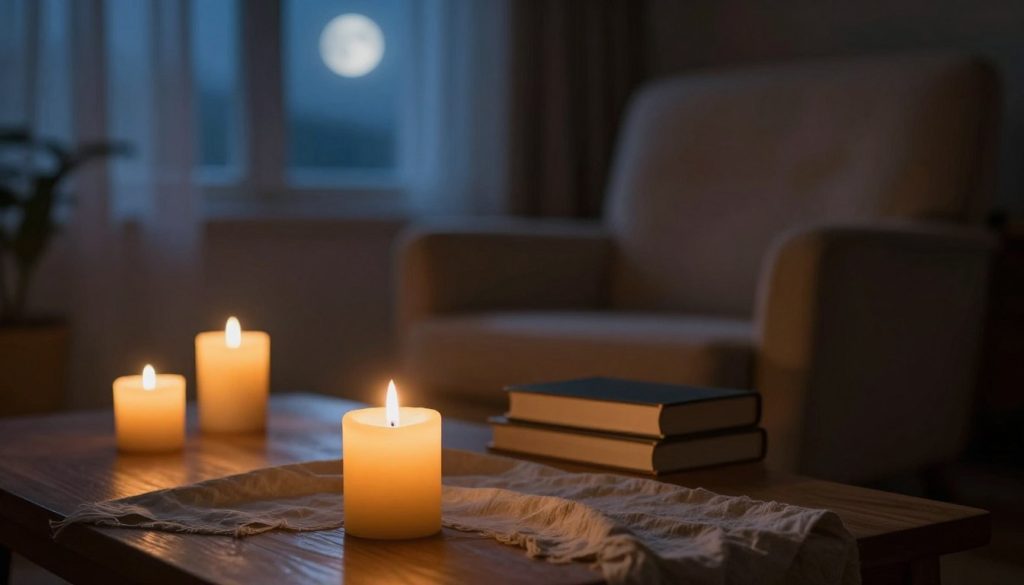
To get the best results, avoid shadows in awkward spots. Start by finding your room’s main focus and place your lights to enhance it. Strategic placement of furniture helps light flow, keeping your low light area welcoming.
Don’t block light paths with big bookshelves or heavy decor. Keep the area between your light and the subject open. This lets light spread evenly, adding a soft, movie-like feel to your intimate lighting.
Managing Background Clutter in Low Light
Too many items can take away from the mood you’ve worked hard to set. In low light, clutter can catch light, making highlights that distract. Keep surfaces clean and organized for a professional look.
Use storage that hides daily items. This reduces visual clutter, letting your lighting design shine. Consistency is key for a polished, cinematic feel in your home.
Advanced Techniques for Dynamic Lighting Effects
Take your lighting to the next level by adding dynamic elements. These elements change in real-time based on your surroundings. By moving beyond static bulbs, you can turn a simple room into a truly immersive sensory experience. This makes your space feel alive and matches your mood perfectly.
Syncing Smart Lighting with Ambient Audio
Modern smart lighting systems connect sound and sight. Apps analyze audio frequencies to make your lights pulse or change colors in sync with music or sounds.
This connection creates a cohesive atmosphere that pulls you into your environment. Whether it’s a dinner party or unwinding after work, your lights add to the emotional feel of the music.
Creating Layered Lighting Profiles
Switch between moods with custom lighting profiles for different activities. A layered profile lets you control many lights at once. This ensures the right mix of brightness and color.
For example, you might have a “Midnight Focus” profile for reading at night. It uses cool, dim tones. Or, a “Social Evening” profile could bring out warmer, brighter lights for fun conversations.
Save these setups to change your room’s look with just a tap. This flexibility makes your home flexible and responsive to your needs all day long.
Safety and Maintenance for Candlelit Environments
Creating a cozy atmosphere is important, but safety and peace of mind come first. When you add light to your space, follow safety rules. This keeps your home beautiful and safe.
Fire Safety Protocols for Real Candles
If you love real wax candles, follow strict safety rules. Always put candles on a stable, heat-resistant surface away from things that can catch fire. Never leave a candle burning alone, not even for a minute.
Keep candles away from kids and pets. Trim wicks to about one-quarter inch before lighting to avoid too much smoke or fire. This way, you can enjoy the gentle flicker safely.
Transitioning to LED Alternatives for Long-Term Use
Many are switching to LED candles for their safety and long life. These lights look like real candles but don’t have a flame. You can leave them on for hours without fire worries or spills.
LED candles are also cost-effective and last a long time. They have flickering lights that look like real flames. This lets you keep your home safe and still look cozy.
| Feature | Traditional Candles | LED Alternatives |
|---|---|---|
| Fire Risk | High | None |
| Maintenance | Frequent Trimming | Battery Replacement |
| Longevity | Limited Burn Time | Long-Lasting |
| Atmosphere | Authentic Scent/Flame | Consistent Glow |
Troubleshooting Common Lighting Challenges
Even the best-planned scenes can face unexpected visual problems. In low light, small mistakes can really stand out. They can ruin the mood you’re trying to create.
But, most issues are simple to fix. Just pay attention to your surroundings. You can keep your scenes looking professional without spending a lot on new gear.
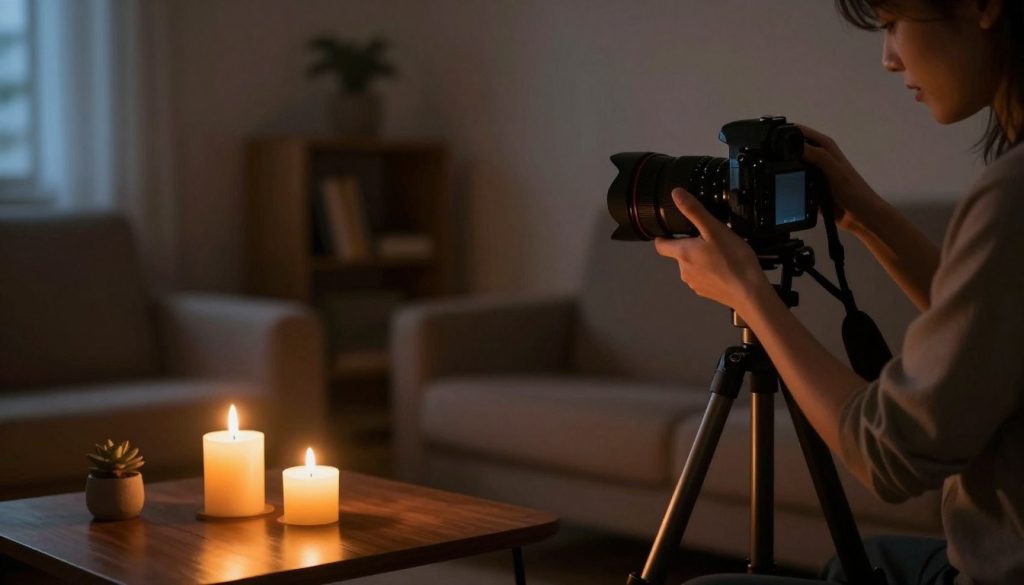
Eliminating Unwanted Glare and Reflections
Glare happens when light bounces off shiny things like glass or screens. To fix this, try shifting the angle of your light source away from shiny objects.
If glare still shows up, use a diffuser to soften the light. Black foam boards can also block light, keeping your low light scenes clear and free of unwanted spots.
Correcting Color Casts in Low Light Photography
Fixing color casts is key for professional low light photos. Artificial lights can add unwanted colors, making your photos look unnatural.
Start by adjusting your camera’s white balance to match your light source. If you shoot in RAW, you can fix color shifts later in editing.
Remember, consistency is key in managing color in low light scenes. Properly calibrating your gear ensures your photos look sharp and true to your vision.
Refining Your Aesthetic Through Iteration
Perfecting your lighting setup is a journey, not a single task. It’s about constant testing and making small changes. By comparing your work to your mood board, you get closer to your dream look.
Analyzing Your Setup Through Test Shots
Test shots help you see how light works in your space. Take pictures from different angles to spot shadows and glares. This shows you things you might miss otherwise.
Look at these photos on a big screen to check color accuracy and depth. If it looks flat, try moving your lights to add contrast. Testing often helps you control light in your space.
Adjusting Intensity Based on Room Size
The size of your room affects how light spreads. In small spaces, too much light can ruin the cozy feel. Start with low intensity and increase it slowly to find the perfect balance.
In bigger rooms, you might need to soften the light to avoid harsh spots. Use your mood board to check if your lighting matches your vision. Dimmable smart bulbs are great for adjusting light levels to fit your room size.
Conclusion
Mastering intimate lighting turns any room into a cozy sanctuary. You now know how to play with shadows and light to match your style.
Your home is a canvas for creative lighting. Watch how light changes your furniture and decor at different times. Just moving a lamp or changing a bulb can change the room’s mood.
Consistency is key to improving. Spend time trying new lighting setups and see what works for you. Whether it’s Philips Hue bulbs or candles, your lighting journey is always evolving.
Share your lighting creations with others who love home design. Your unique view adds to the community’s creativity. Keep working on your lighting skills and enjoy making your home special.
FAQ
How can I master the interaction between shadows and light for an intimate atmosphere?
First, learn how shadows and light work together. Use top-notch gear like Sony Alpha cameras and Aputure LED panels. This lets you control your scene well, keeping your lighting even and professional.
What role does Pokimane AI play in designing modern lighting simulations?
Pokimane AI tools help you plan lighting setups without moving anything. They adjust color temperatures and show how lighting will look in your space. This saves time when setting up your lights.
How do I achieve a realistic candlelit flicker without using real flames?
Choose smart bulbs like Philips Hue or Luminara LED candles for a flame-like effect. Their “flicker” modes mimic a real flame’s movement. This makes your space feel cozy and romantic.
How can I prevent midnight blue tones from making my room feel too cold?
To avoid a cold feel, balance cool tones with warm highlights. Use Lee Filters to soften shadows. This creates a smooth, cinematic look that adds mystery to your space.
Why is it important to curate a mood board before starting a lighting project?
A mood board on Pinterest or Adobe Spark is your guide. It helps you organize your ideas and ensure everything fits your vision. This way, your space will feel cinematic and intimate.
How should I manage background clutter to improve my low light photography?
Keep your background clean for a professional look. Rearrange furniture for better light flow. Use a Canon prime lens to blur out distractions and focus on your subjects.
Can I sync my smart lighting with ambient audio for a more dynamic effect?
Yes, syncing smart lights like Nanoleaf with audio creates a rich experience. It makes your lighting change with the music, enhancing your scenes.
What are the primary safety benefits of transitioning from wax candles to LED alternatives?
Switching to LEDs like Liown is safer. They look like wax candles but don’t have fire risks. This makes your home safer for long-term use.
How do I eliminate unwanted glare and reflections in a low light setup?
Glare from windows or screens can be a problem. Adjust your lights or use a Tiffen circular polarizer filter. This keeps your photos clear and free of reflections.
How do I determine the right light intensity for different room sizes?
Adjust your lighting by testing and analyzing your shots. Use a light meter or your camera’s histogram. This ensures your lighting is just right for your room’s size.