Zero-Log Privacy Deep Dive: Keeping Streamer Fantasies Anonymous
Ever thought if your favorite streaming service is watching you while you binge-watch? In today’s world, it’s hard to avoid being tracked by private companies. Every action you take online leaves a trail that others want to follow.
Keeping your online life private is now a must for anyone who values their space. By using zero-log privacy, you can hide your viewing habits from prying eyes. This way, your online activities stay your secret.
Learning how to protect yourself is the first step to digital freedom. With zero-log privacy, you can enjoy your shows without worrying about being watched. Let’s look at how to keep your streaming habits private.
Key Takeaways
- Digital tracking is now an unavoidable part of the modern smartphone experience.
- Streaming platforms frequently harvest user data to build detailed behavioral profiles.
- Adopting strict anonymity protocols prevents third-party entities from tracking your habits.
- A zero-log policy is the gold standard for protecting your personal viewing history.
- You can take actionable steps today to secure your digital footprint while streaming.
Understanding the Risks of Streaming
You might think your living room is private, but it’s not. Your streaming devices are always working in the background. They build a detailed profile of your preferences and habits. Awareness is key to taking back control of your digital life.
Identifying Potential Data Exposure Points
Streaming platforms collect a lot of information, not just what you watch. They get your location, device info, and network details. This data exposure can reveal sensitive information, like visits to psychiatrist offices.
These apps ask for permissions to access your device’s hardware. They link your physical movements to your online habits. This turns your home entertainment into a surveillance tool.
The Role of ISPs in Tracking Your Viewing Habits
Your Internet Service Provider (ISP) controls your online activity. They see which streaming services you use and when. Even encrypted content’s destination is visible to them.
ISPs sell this info to advertisers or brokers. They know your viewing habits and when you watch. This monitoring creates a record of your online behavior that you can’t control.
Why Metadata Matters in Your Streaming History
Metadata is hidden info attached to your digital requests. It reveals a lot about you. Your streaming history shows more than just titles; it includes timestamps and device types.
By analyzing this metadata, companies can guess your interests and even your political views. Protecting your streaming history means more than just deleting your watch list. It’s about understanding the impact of every interaction with streaming servers.
The Fundamentals of Zero-Log Privacy
Staying safe online starts with understanding zero-log privacy. Many claim to offer complete anonymity, but it’s not that simple. True anonymity is hard to achieve, and even when companies say they’ve erased your data, it’s often still traceable.
Defining What Zero-Log Actually Means
A no-logs policy means a service doesn’t keep records of your online activities. This policy is meant to protect you by ensuring no data is shared if asked. Without these records, your online presence is greatly reduced, keeping you safe from prying eyes.
Distinguishing Between Connection Logs and Activity Logs
It’s important to know the difference between connection and activity logs. Connection logs track when and for how long you’re online, while activity logs show what you’re looking at. High-quality privacy services aim to remove both, offering true anonymity.
| Log Type | Data Captured | Privacy Risk |
|---|---|---|
| Connection Logs | Timestamps, IP address | Moderate |
| Activity Logs | Browsing history, URLs | High |
| Zero-Log Policy | None | Minimal |
The Importance of Third-Party Audits for Privacy Claims
Marketing claims alone can’t protect you online. Privacy audits by independent experts are crucial. They check if a company really follows its zero-log privacy promises.
Regular, open audits help build trust with users. Look for providers that share their independent assessments. This way, you can be sure your streaming habits stay private.
Selecting a VPN with Proven No-Logs Policies
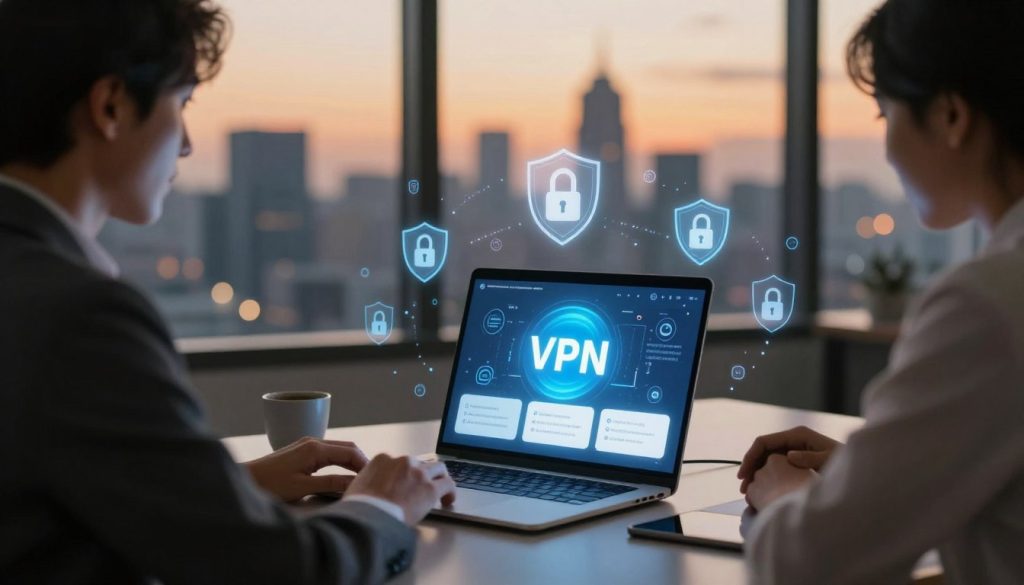
Many apps share your location data with companies without telling you. This is why zero-log privacy is crucial. Picking the right VPN service helps protect your personal info.
Evaluating Jurisdictions and Data Retention Laws
Your VPN provider’s location is as important as their software. Choose companies in countries with strong privacy laws. These places protect your data from government access.
Stay away from the “Five Eyes” or “Fourteen Eyes” alliances. This choice enhances your VPN security by keeping your data safe from surveillance.
Key Features to Look for in a Privacy-First VPN
Look for specific technical safeguards in the software. A good service has tools to protect your identity. Here are key features to check:
- Kill Switch Functionality
- DNS Leak Protection
- Advanced encryption standards
- RAM-only server infrastructure
Kill Switch Functionality
A kill switch is vital for zero-log privacy. It blocks your internet if the secure server connection drops. This keeps your real IP address hidden.
DNS Leak Protection
Without protection, your device might leak DNS requests to your ISP. This reveals your browsing habits. Reliable VPN security includes DNS leak protection to keep all requests private.
Configuring Encrypted Servers for Maximum Security
Data privacy is a big concern today. Using encrypted servers is more important than ever. The Times Privacy Project found that one file had over 50 billion location pings from 12 million Americans. This shows how your digital habits are tracked and used.
By using secure tunnels, you hide your online activity. Taking control of your connection helps you stay anonymous while streaming.
Choosing the Right Protocol for Streaming
Picking the right VPN protocols is key for good speed and security. Not all tunnels are the same. Your choice affects your streaming quality and protection.
Comparing WireGuard and OpenVPN Performance
WireGuard is the top choice for fast streaming. It’s built for speed with a simple design.
“WireGuard is designed to be simple, fast, and lean, making it an ideal choice for modern privacy-conscious users who refuse to compromise on performance.”
OpenVPN is a bit slower but very reliable. It’s great for those who need the most compatibility. Here’s a table showing the main differences between these VPN protocols:
| Feature | WireGuard | OpenVPN |
|---|---|---|
| Speed | Excellent | Good |
| Security | Modern/Strong | Highly Audited |
| Setup Complexity | Low | Moderate |
Connecting to RAM-Only Servers
Choosing the right software is important. But, picking providers with encrypted servers on RAM is even more crucial. RAM-only servers don’t keep data permanently.
When a server restarts, all data is erased. This means even if a server is seized, no logs or data can be found. This hardware-level security offers the best protection for a zero-log streaming environment.
Activating Stealth Mode to Bypass Deep Packet Inspection
Deep packet inspection can reveal your online activities to unwanted viewers. Internet service providers use this to check data packets on their networks. If they spot VPN traffic, they might slow down your connection or flag your account.
To keep your activities private, use stealth mode. It hides your VPN traffic, making it seem like regular web traffic. With encrypted servers that support obfuscation, your streaming habits stay hidden from others.
How Stealth Mode Obfuscates Your Traffic
Stealth mode adds an extra layer of encryption to your data. This layer hides the VPN metadata, making your traffic look like regular HTTPS browsing. Deep packet inspection tools find it hard to tell it’s a VPN.
“Privacy is not an option, and it should not be the price we pay for just enjoying our favorite content online.”
When to Use Obfuscated Servers
Use obfuscated encrypted servers to keep your location data private. Advertisers often use your streaming history and location for profiling. Stealth mode stops them from creating a digital profile of you.
It’s also good to use these servers when traveling or on networks with strict rules. This keeps your connection stable, no matter the local network policies. Here’s a table showing the differences between standard and obfuscated connections.
| Feature | Standard VPN | Obfuscated VPN |
|---|---|---|
| Traffic Visibility | Visible as VPN | Hidden as HTTPS |
| DPI Resistance | Low | High |
| Speed Impact | Minimal | Slightly Higher |
| Best Use Case | General Privacy | Strict Censorship |
Overcoming Throttling and Geo-Blocking
ISPs often slow down VPN traffic to manage network congestion. Stealth mode helps you avoid these speed limits. This lets you stream in high definition without buffering issues.
Also, obfuscated encrypted servers help you get past geo-blocking. Your traffic looks like local data, so you can access content from different regions. This combo offers strong protection for your streaming activities.
Securing Your Browser and Streaming Environment
Your web browser can share your private habits with others. Smartphones track you everywhere, and your computer is just as exposed. Keeping your browser privacy safe is key to keeping your streaming habits private.
Implementing Privacy-Focused Browser Extensions
Most browsers track you by default. To stop this, add extensions that block trackers and scripts. These extensions protect your viewing history from being shared.
- uBlock Origin: Blocks ads and trackers.
- Privacy Badger: Blocks invisible trackers across sites.
- HTTPS Everywhere: Encrypts your connection to websites.
Managing Cookies and Cache for Anonymity
Cookies help websites remember you but can also track you. Clearing your cache and cookies regularly is crucial. It helps keep your online activities private.
Many browsers have a “Clear browsing data” option. This option deletes cookies and cache when you close the browser. Doing this regularly helps protect your true anonymity online.
Using Dedicated Streaming Devices vs. Desktop Browsers
Desktop browsers often have hidden tracking features. Streaming devices like Apple TV or Roku are less likely to be tracked. They have fewer vulnerabilities for hackers to exploit.
If you use a desktop browser, make sure it’s set to private mode. A dedicated streaming device with a VPN is even safer. This setup keeps your streaming separate from your web browsing.
Managing Payment Anonymity for Subscription Services
It’s important to control your financial information to keep your identity private. Many users agree to share a lot of data without realizing it. This happens when they link a personal credit card to a service.
By doing this, you connect your viewing habits to your real identity. Prioritizing subscription privacy helps keep your digital and financial information separate.
Using Cryptocurrency for Anonymous Transactions
Cryptocurrency is a great way to keep your financial info private. Using coins like Bitcoin or Monero means you don’t have to share your banking details. Decentralized transactions help prevent companies from tracking your spending.
Make sure to use a secure, private wallet for these transactions. This is especially good for those who want to keep their payments anonymous without using traditional banks.
Leveraging Virtual Credit Cards for Privacy
If a service doesn’t accept crypto, virtual credit cards are a good choice. Services like Privacy.com let you create unique card numbers for each subscription. You can set limits and even close the card if you think it’s been compromised.
These cards hide your real bank details, adding security. Using a different virtual card for each service stops cross-platform tracking.
Avoiding Personal Information in Account Profiles
The data you enter when you sign up is also crucial. Many platforms ask for your full name, phone number, and location. Always use a burner email address and avoid sharing real personal info.
If a service asks for a phone number, consider using a VoIP service or a temporary number. Keeping your profile info generic helps keep your subscription privacy and prevents linking to your social media or professional identity.
| Payment Method | Privacy Level | Ease of Use | Anonymity Potential |
|---|---|---|---|
| Cryptocurrency | Very High | Moderate | Excellent |
| Virtual Credit Cards | High | Very Easy | Good |
| Standard Credit Card | Low | Very Easy | None |
Testing Your Connection for Data Leaks
Testing your connection is key to keeping your streaming private. Data breaches happen often, and even anonymous data can be traced back to you. Make sure your security tools work right to avoid leaks.
Performing WebRTC and IP Leak Tests
WebRTC leaks can show your real IP address, even with a VPN. Browsers use WebRTC for real-time chats, which can get around your VPN. Use online tools to check if your location is hidden.
- Visit a reputable leak-testing website while your VPN is active.
- Check if your displayed IP address matches your VPN server location.
- Ensure that no local network addresses are visible in the WebRTC results.
Verifying DNS Integrity
DNS leaks happen when your computer sends domain requests outside your VPN. This lets your ISP know what you’re streaming. Verifying DNS integrity keeps your privacy setup working.
If DNS requests leak, your ISP can log your streaming activity. Use your VPN’s DNS servers to avoid this. Always test for DNS leaks after changing your network settings.
Monitoring Traffic Patterns During Active Streams
In stealth mode, watch your traffic to keep it steady. Spikes or drops in data flow might mean your connection is weak or being slowed. This helps you know if your setup is good for HD streaming.
Using stealth mode well means your connection stays stable while streaming. If you see a lot of buffering or connection drops, it’s time to change servers or protocols. Regular connection testing keeps your streaming safe from unwanted viewers.
Maintaining Long-Term Digital Hygiene
Digital hygiene is key to a safe and private streaming experience. It’s about keeping your data safe from trackers and threats. By regularly checking and updating your settings, you protect your personal info.
Regularly Clearing Digital Footprints
Many apps collect data they don’t need. Some ask for your exact location, even if it’s not needed. It’s important to audit your device permissions and limit access to apps that don’t need it.
Also, clear your browser cache, cookies, and history often. This stops trackers from learning your viewing habits. By doing this, you keep your digital life under your control.
Updating Security Software and Firmware
Software updates fix security holes that hackers target. Ignoring these updates puts your streaming at risk. Make sure your operating system, VPN client, and browser are up to date.
Don’t forget about your router’s firmware updates. A hacked router can leak your data, even with strong device security. Staying current is your best defense against cyber threats.
Avoiding Public Wi-Fi for Sensitive Streaming
Public Wi-Fi is not safe and is a hotspot for hackers. When using public networks, your data is at risk. Always use stealth mode in your VPN to hide your online activity.
It’s best to avoid streaming sensitive content on public Wi-Fi. Use your mobile hotspot or a secure home network instead. Consistency in these habits will keep your streaming private.
Conclusion
To truly stay anonymous online, you need the right tools and habits. You can take back your digital identity by focusing on zero-log privacy in every online session.
Being committed to security changes how you use sites like Netflix or Hulu. Using encrypted servers and stealth mode helps block unwanted tracking. This way, your viewing choices stay private.
Privacy is a continuous journey, not a one-time task. Keeping up with new threats helps you strengthen your defenses. Stay alert and active with your zero-log privacy settings to protect your streaming habits.
Start taking charge of your online presence now. Making small changes to your routine can make your entertainment space safer. Your efforts will keep your data safe from unwanted eyes for a long time.
FAQ
What is the significance of a zero-log privacy policy for streaming?
A zero-log privacy policy means your service provider, like Mullvad or ExpressVPN, doesn’t keep records of your online activities. This includes your browsing history, connection times, and IP addresses. Without these logs, no one can trace your online activities, even if the provider’s servers are seized.
How do encrypted servers enhance my security against ISP monitoring?
Connecting to encrypted servers wraps your data in a secure tunnel. This is done using strong protocols like WireGuard or OpenVPN. It stops your ISP from knowing what you’re streaming or where you’re going online. This way, you avoid bandwidth throttling and prevent your ISP from selling your data to advertisers.
When should I activate stealth mode on my VPN?
Use stealth mode, or obfuscation, when you’re in a network that blocks or slows down VPN traffic. It makes your VPN look like regular HTTPS web traffic. This helps you get past firewalls in schools, workplaces, or places with strict internet rules.
Why is location data considered such a significant privacy threat according to researchers?
Studies, like The Times Privacy Project, show location data isn’t always anonymous. They looked at over 50 billion pings from millions of Americans. Even if an app says it anonymizes your data, your exact location can still be used to identify you. It’s crucial to use tools that hide your location.
Can my browser leak my identity even if I am using a secure connection?
Yes, your browser can leak your identity through WebRTC leaks, tracking cookies, and digital fingerprinting. Use privacy-focused extensions like uBlock Origin or Privacy Badger. Choose secure browsers like Brave or Firefox. Clearing your cache and managing site permissions regularly helps keep your streaming sessions private.
How can I pay for streaming services without revealing my financial identity?
To keep your financial info private, use cryptocurrency or virtual credit card services like Privacy.com. These methods hide your real bank account and name from your streaming accounts. This way, a data breach at the streaming platform won’t expose your financial details.
How do I verify that my privacy setup is functioning correctly?
Regularly test your privacy setup to make sure your data is safe. Use online tools to check for DNS leaks and WebRTC vulnerabilities. If your real IP address or ISP’s name shows up while your VPN is on, your connection isn’t secure. Your streaming activity is likely being logged.
Is it safe to stream content while connected to public Wi-Fi?
Public Wi-Fi networks, like those at Starbucks or McCarren International Airport, are not secure. They’re vulnerable to “man-in-the-middle” attacks. If you must stream on these networks, make sure your kill switch is on and you’re connected to an obfuscated server. This prevents others on the network from intercepting your data.