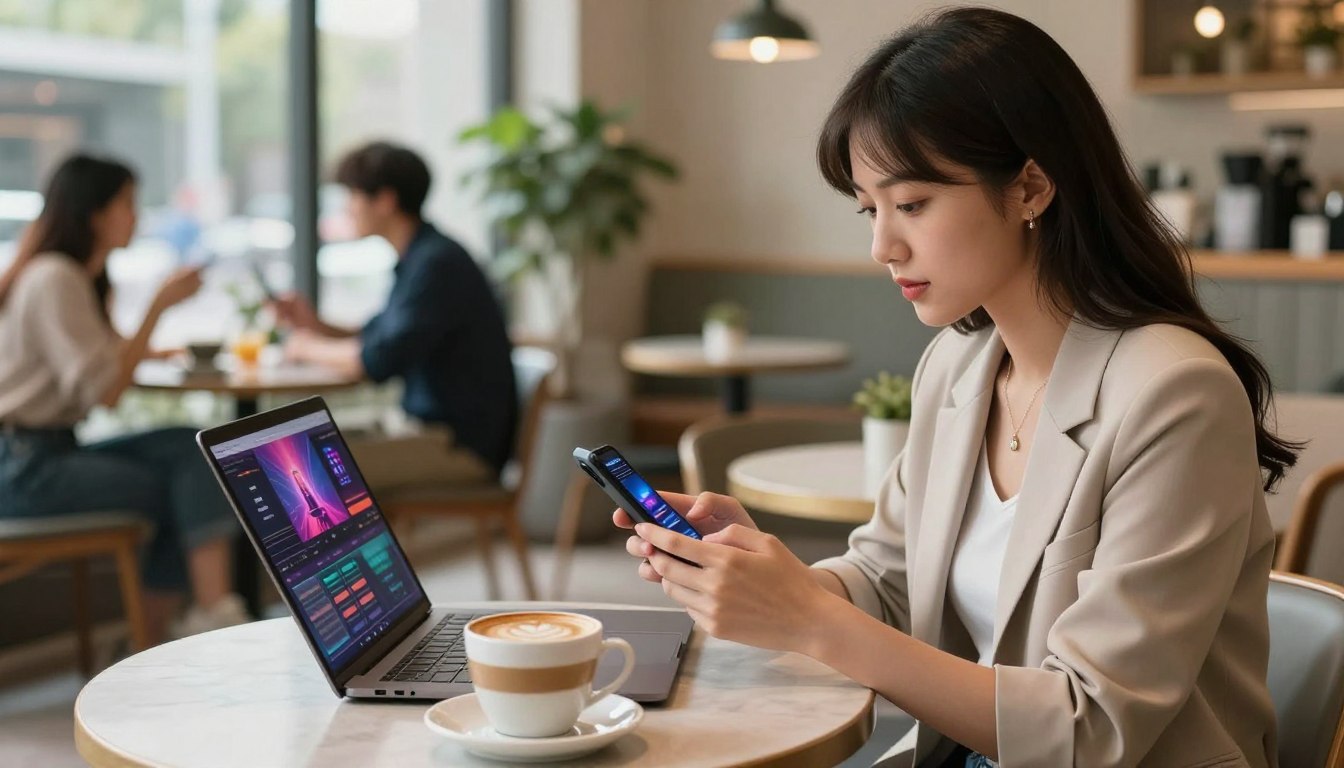
Mobile Workflow: Creating Streamer Scenes on the Go
Ever thought about doing a broadcast-quality show while traveling? Many think you need a big studio and lots of gear. But today, things are different.
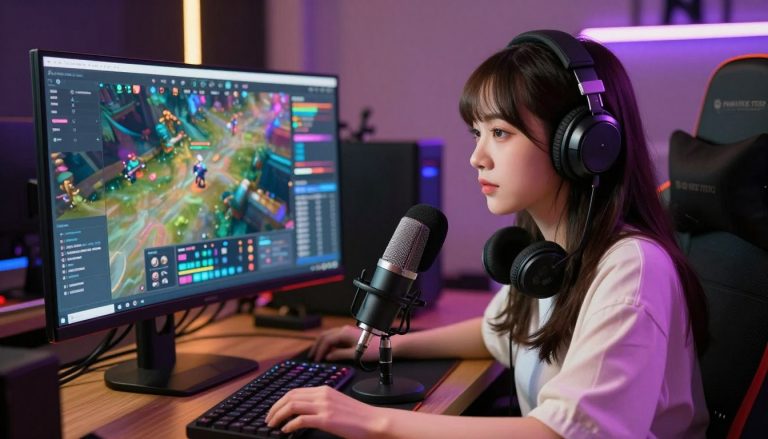
With a pokimane ai mobile workflow, you can still look pro anywhere. You can switch scenes smoothly and keep your videos clear, even when you’re not in your usual spot.
First, you need to know the main problems of streaming from afar. Once you get your tech right, your viewers will always get the best experience. Using a pokimane ai mobile workflow helps you beat these issues and keep your shows exciting.
Key Takeaways
- Learn to maintain high production standards from any location.
- Discover how to optimize your technical setup for remote broadcasting.
- Understand the core challenges of streaming from a mobile device.
- Enhance your audience engagement with professional scene transitions.
- Prepare your gear to ensure a consistent viewer experience.
Understanding the Pokimane AI Mobile Workflow
Creating a solid mobile workflow is key to keeping your content top-notch, even when you’re away from home. Modern tech helps you mix desktop power with the ease of handheld devices. This way, your viewers get a smooth experience, no matter where you are.
Core Principles of Remote Scene Management
Good remote management means syncing your stuff across different platforms. With a pokimane ai mobile workflow, your phone becomes your main hub for your show. You can switch scenes and tweak overlays right from your phone, without needing a big PC nearby.
To do well, you need fast internet and cloud storage. Storing your scenes in the cloud means changes you make on your phone show up right away in your stream. This quick response is what makes a top-notch mobile workflow today.
Hardware Requirements for Mobile Streaming
What you use matters a lot for your stream’s quality. Streaming high-quality video needs a lot of power, which can cause problems if your device isn’t ready. Look for gear that’s both powerful and easy to carry for a smooth pokimane ai mobile workflow.
Here are the key things you need for your setup:
- High-performance smartphone with a modern multi-core processor.
- External cooling solutions to prevent overheating during long sessions.
- Stable 5G or high-speed Wi-Fi connectivity for consistent data transmission.
- Portable power banks to keep your device charged during your broadcast.
Getting the right equipment sets up a strong base for your remote shows. A well-thought-out mobile workflow cuts down on tech troubles. This lets you fully connect with your audience.
Setting Up Your Cloud Sync Environment
Creating a strong mobile workflow begins with a solid cloud foundation. A consistent cloud sync environment keeps your key broadcast tools ready, no matter where you are.
Configuring Cross-Platform File Access
To keep your broadcast professional, sync your overlays, alerts, and media across all devices. Use services like Google Drive, Dropbox, or streaming storage solutions. This lets you quickly access files on your mobile interface.
Consistency is key when working on the move. Organize your folders well to avoid missing assets during live broadcasts. Make sure your main streaming software connects to these cloud directories for updates.
Optimizing Assets for Mobile Performance
High-resolution files can slow down mobile streaming. It’s important to optimize your assets by making them smaller without losing quality. Use formats like WebM or compressed PNGs to boost your mobile workflow speed.
Test your assets on a mobile connection before going live. If your stream is slow, try lowering the bitrate of your overlays or simplify animations. A smooth setup keeps your production quality high, even from a handheld device.
Designing Streamer Scenes with Touch UI
Creating professional scenes on the go needs you to interact with a touch ui well. When you’re live, every second is crucial. A smooth interface lets you adjust quickly without stopping your flow. Learning these controls keeps your broadcast polished, no matter where you are.
Navigating the Mobile Interface
Being efficient is key for a successful mobile broadcast. You need to navigate your streaming software’s dashboard quickly. This ensures you can switch scenes or toggle sources easily.
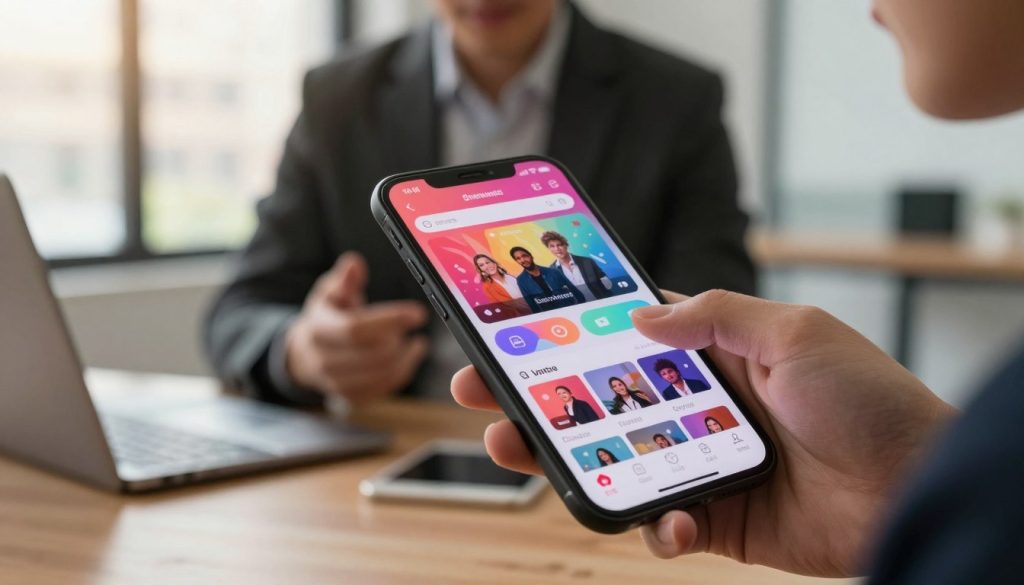
Organizing your workspace well stops accidental clicks during critical moments. Customizing your button placement lets you control your stream fully, even on a mobile. This skill is what makes a pro creator, not just a casual streamer.
Layering Elements for Dynamic Visuals
Keeping your audience engaged is crucial. You can make complex scenes by layering media elements like alerts and camera feeds through your touch ui. Understanding how these elements work together is key.
Start by focusing on your most important visuals. This ensures they stay visible during intense moments. Strategic layering adds depth to your stream, making it look polished. By trying out these touch-based adjustments, you can offer a top-notch experience that draws viewers back.
Integrating AI Tools for Automated Scene Transitions
Adding AI to your mobile setup changes how you handle live content. Smart software lets you automate complex transitions without manual effort. This lets you focus on your audience while keeping your broadcast professional.
Leveraging AI for Real-Time Scene Adjustments
AI tools analyze your video to make instant adjustments to your layout. They detect when you move and adjust your camera overlay automatically. This keeps your visual presentation perfectly framed without any effort from you.
These tools also adjust lighting and color grading as needed. If your mobile setup changes, the AI adjusts to keep your stream consistent. You don’t have to worry about manual settings during live segments.
Setting Up Trigger-Based Scene Switching
Trigger-based switching makes your stream react to events in real-time. You can set up your software to switch scenes for game events or new followers. This creates a dynamic experience that keeps viewers engaged.
To start, define the triggers in your streaming app. Once set, the system watches for those conditions. When a trigger is met, the scene changes instantly, making your production seamless.
| Automation Feature | Primary Benefit | Complexity Level |
|---|---|---|
| Auto-Framing | Keeps subject centered | Low |
| Event Triggers | Increases viewer engagement | Medium |
| Dynamic Overlays | Enhances visual variety | High |
Managing Audio and Visual Assets Remotely
Mastering remote management of your audio and visual files is key for a smooth mobile broadcast. When you’re on the move, keeping your branding and alerts consistent is crucial. A reliable cloud sync strategy lets you use top-notch production elements from anywhere.
Organizing Your Cloud-Based Media Library
A well-organized library is vital for your mobile workflow. Organize your assets into folders like “Overlays,” “Alerts,” and “Stinger Transitions.” This makes finding files during a live broadcast much faster.
Using a consistent naming system is essential for efficiency. With cloud sync, your software can grab the latest asset versions automatically. This keeps your stream looking professional, no matter where you are.
“Success is where preparation and opportunity meet.”
Syncing Audio Filters and Overlays
Keeping sound quality consistent is as important as visuals. Store your VST filter settings and configuration files in your shared drive. This keeps your voice clear and crisp, even when switching mobile setups.
Also, automate syncing your visual overlays with audio cues. Using cloud sync keeps your production suite up-to-date in real-time. This proactive approach avoids technical issues and keeps your audience engaged with quality content.
Testing Your Mobile Workflow Before Going Live
Testing your mobile streaming setup is key to avoiding tech issues during live streams. Don’t assume your home office setup will work on the go. Taking the time to validate your setup means you’re ready for any challenge.
Doing a dry run helps spot problems before your viewers tune in. This way, you can keep your stream smooth, no matter where you are.
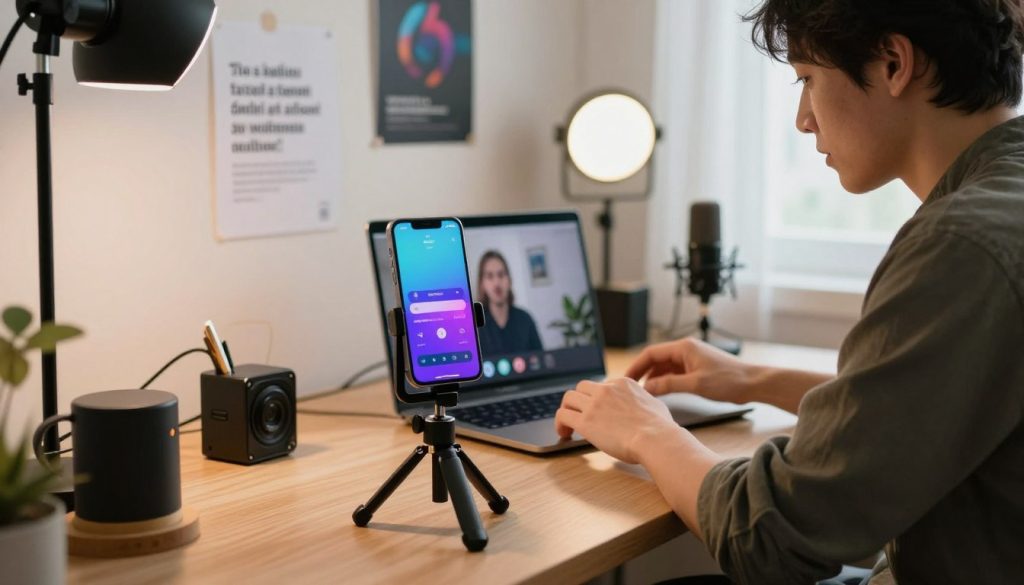
Simulating Streamer Scenes on Mobile Devices
Make sure your stream looks good on mobile by testing it on your device. Use a test account or private stream key to see how it looks. Check if the text is easy to read and that your camera doesn’t hide important game details.
Also, test how your touch UI works. If buttons are hard to press, change your layout before you go live. This keeps your stream looking professional, even when you’re traveling.
Troubleshooting Common Connectivity Issues
Mobile streaming can be hit or miss due to Wi-Fi or data issues. Always have a backup plan, like a mobile hotspot, ready to go.
If your stream stutters, check your bitrate. Lowering your resolution might help if your connection is weak. Here’s how different connections affect your stream:
| Connection Type | Stability Level | Recommended Bitrate |
|---|---|---|
| Dedicated Fiber Wi-Fi | Excellent | 6000+ Kbps |
| Public/Hotel Wi-Fi | Low to Medium | 2500 – 3500 Kbps |
| 5G Cellular Data | High | 4500 – 5000 Kbps |
| 4G/LTE Cellular | Variable | 1500 – 2500 Kbps |
Advanced Customization for Professional Streamers
You can make your mobile streaming setup powerful with advanced customization. Professional creators want to mix portability with top-notch production. By tweaking your software, your mobile shows will be distinctive and engaging for viewers.
Creating Custom Macros for Mobile Control
Custom macros are key to a smooth mobile workflow. They let you do complex tasks with just one button. This streamlines your production, making scene changes and sound effects quick.
Start by identifying tasks you do a lot during streams. Then, link these tasks to macro buttons in your app. This saves time and keeps your seamless viewer experience no matter where you are.
Implementing Interactive Elements via Touch UI
Keeping your community engaged is crucial for growth. Your mobile setup offers special chances to do this. With a touch ui, you can show live goals, events, or polls on your screen. This gets viewers involved in your stream.
When setting up your touch ui, focus on being clear and easy to use. Put key widgets where your fingers can easily reach them. This strategic layout lets you handle audience interactions while focusing on your content.
These advanced features help you broadcast at a high quality, feeling professional and polished. Using these tools shows that mobile setups can match desktops in quality.
Maintaining Security in Your Mobile Workflow
A strong mobile workflow is more than just easy to use; it must be secure. When you work from public places, your digital presence grows. It’s crucial to keep your broadcast secure at all times.
Protecting Your Cloud Sync Credentials
Your cloud sync is key to your assets, making it a prime target for hackers. Always use multi-factor authentication (MFA) on all accounts linked to your streaming. This step blocks hackers, even if they guess your password.
Don’t save login details in your browser on public devices. Use a trusted password manager to keep your info safe. This way, your cloud sync data stays private, even if your device is lost or hacked.
Securing Remote Access to Streaming Software
Remote management of your broadcast software comes with its own set of risks. Make sure your remote desktop connections are encrypted and use strong, unique passwords. Never leave your streaming dashboard open on a public computer, as this could let others change your settings or interrupt your stream.
Think about using a dedicated virtual private network (VPN) to hide your connection when using your streaming tools. This adds privacy, protecting your traffic from being seen on unsecured Wi-Fi. By focusing on these security steps, you safeguard your channel and personal brand while on the move.
| Security Measure | Primary Benefit | Implementation Level |
|---|---|---|
| Multi-Factor Authentication | Prevents unauthorized logins | Essential |
| Encrypted VPN Usage | Shields network traffic | Recommended |
| Password Manager | Secures sensitive credentials | Essential |
| Remote Session Timeout | Closes idle connections | Recommended |
Scaling Your Production Quality While Traveling
Scaling your production quality on the road means finding the right balance. You don’t need a huge studio to make professional-grade content. Focus on efficient workflows to keep quality high, no matter where you are.
Adapting Scenes for Different Mobile Environments
Every location has its own challenges for live broadcasts. Streaming from a crowded event or outdoors means your scene layout must focus on clarity and focus. Keep your overlays simple so viewers can easily follow the action.
Lighting changes fast when you’re on the move. Create multiple scene versions for different brightness levels. Adapting your assets in real-time helps keep your stream polished, even in tough environments.
Balancing Portability and High-End Production
The key to a great mobile setup is choosing gear that’s both powerful and light. Focus on devices that work well with your cloud-based assets. This keeps your production value high without weighing you down.
Here’s a comparison to help choose the right equipment for your travels:
| Setup Type | Portability | Visual Fidelity | Setup Time |
|---|---|---|---|
| Ultra-Light | Excellent | Standard | Fast |
| Hybrid Mobile | Moderate | High | Medium |
| Pro-Mobile | Low | Professional | Slow |
Investing in a hybrid setup offers the best of both worlds. You can move quickly while giving your audience a premium viewing experience. Always test your gear in different scenarios to be ready for any situation.
Conclusion
Building a professional mobile streaming setup changes how you connect with your audience. You now have the tools to manage complex scenes and high-quality assets from anywhere. This allows you to keep your brand looking polished, even when you’re on the move.
Cloud sync technology keeps your media library organized and ready to go. Touch UI controls give you the precision needed for smooth transitions during live streams. These tools help you focus on your content, not technical issues.
Make sure to prioritize security to protect your streaming credentials and remote access points. Regular testing keeps your hardware and software running smoothly, even under different network conditions. Paying attention to these details helps build a strong foundation for your digital growth.
Start using these production strategies for your next broadcast. Your ability to adapt and innovate will make your channel stand out in a crowded market. Take control of your mobile production today and watch your community grow.
FAQ
What are the primary hardware requirements for a professional mobile workflow?
For top-notch production, get a strong smartphone or tablet like the iPhone 15 Pro Max or iPad Pro M2. These can handle heavy tasks. Also, get a portable capture card like the Elgato HD60 X and a quality mobile microphone from Rode. This ensures your video and audio are professional-grade, even when you’re on the move.
How does cloud sync facilitate remote scene management?
Cloud sync services like Google Drive or Dropbox keep your overlays, alerts, and media in one place. When you log into your streaming software on a new device, all your branding is ready. This saves you from manually transferring files.
Can I effectively design complex streamer scenes using a touch UI?
Yes, modern mobile apps are made for touch UI. You can easily move and resize elements. With multi-touch gestures, you can layer your webcam, chat box, and goal bars. This creates a dynamic look that’s as good as desktop setups.
How can AI tools improve my mobile broadcast quality?
AI tools can automate tasks like background removal and noise suppression. They can also switch scenes automatically. This lets you focus on your audience without worrying about technical details.
What is the best way to manage audio and visual assets while traveling?
Organize your media in your cloud sync with clear folders for different segments. This way, your audio filters and visual overlays sync across devices. Your settings stay consistent, whether you’re in a hotel or at a convention.
Why is it necessary to simulate streamer scenes before going live?
Testing your scenes helps you see how they look on different screens. It also finds any performance issues that could cause problems. This ensures your device can handle your AI tools and high-quality streaming.
How do custom macros work on a mobile streaming setup?
Apps like Elgato Stream Deck Mobile let you do complex tasks with one tap. You can set up macros to do things like change scenes, post messages, and play sounds. This gives you control over your broadcast from your phone.
What security measures should I take when streaming from public networks?
Always use a VPN like NordVPN when on public Wi-Fi. Also, make sure Multi-Factor Authentication (MFA) is on for your Twitch, Google, and Streamlabs accounts. This keeps your broadcasting credentials safe.
How do I maintain high production standards in crowded or outdoor environments?
To keep up production in tough spots, balance portability with tech. Use a mobile gimbal for stable shots and a 5G hotspot for reliable internet. Keep your streamer scenes simple and efficient to ensure a clear broadcast, no matter where you are.