Camera Angle Cheat Sheet: POV, Over-Shoulder & Hyper Zoom
Ever wondered why your favorite streamers make you feel like you’re right there with them? It’s all about the camera angles. Learning professional cinematography can turn your stream into a truly immersive experience.
This guide will show you how to boost your stream’s quality. We’ll look at pokimane ai camera angles to make your content stand out. Knowing these styles is key to a professional look that keeps viewers hooked.
Whether you’re new or experienced, these tips will improve your setup. Let’s explore the technical and creative sides of modern streaming.
Key Takeaways
- Learn how to use POV shots to build a deeper connection with your audience.
- Discover the power of over-the-shoulder framing for competitive gaming.
- Understand how hyper zoom techniques add intensity to your highlights.
- Master the basics of professional lighting to complement your framing.
- Improve your overall production value to stand out in the digital space.
Mastering the Fundamentals of Streamer Camera Choreography
To grab your viewers’ attention, treat your stream like a live TV show. Good camera choreography is key to a professional-looking stream. It keeps viewers watching for longer.
By planning your moves, every change feels on purpose, not by accident. This makes your stream more engaging.
Thinking of your broadcast as a production boosts visual quality. This approach helps you create a unique look that stands out. You’re not just playing a game; you’re directing a live show for your viewers.
To excel, focus on these core intentional visual storytelling principles:
- Consistency: Stable framing builds trust with your audience.
- Purpose: Zooms and angle changes should have a clear story goal.
- Preparation: Plan your moves before going live to avoid mistakes.
Getting good at camera choreography takes time and effort. As you improve, your viewers will notice the better production quality. Start small, stay consistent, and see your viewership grow.
Understanding the Impact of Pokimane AI Camera Angles
Automated visual systems have changed how creators connect with their fans. Streamers use advanced tracking tech to keep a consistent and professional look without a camera operator. This has led to the famous pokimane ai camera angles.
These visual choices aim to create a close and personal connection with your viewers. When the camera follows your movements, it feels like they’re right there with you. This makes your audience feel like they’re part of the action.
Knowing how these angles affect your audience lets you pick the best view for your content. Tighter shots highlight your reactions in exciting moments. Wider shots make your streams feel more relaxed and friendly. Using pokimane ai camera angles helps you control where the viewer looks.
It’s clear why these techniques are key for top streamers. Automated systems keep your streams looking great, even when they’re long and unplanned. Using these angles is a smart choice that keeps your viewers interested and coming back.
Setting Up Your Equipment for Dynamic Movement
Getting professional-grade motion starts with a solid base. Before you try complex camera moves, make sure your gear can handle your streaming software’s load.
Always check that JavaScript is enabled in your browser settings. This simple step lets your streaming dashboard and tracking plugins work smoothly during your live show.
Choosing the Right Camera and Lens Combinations
Choosing the right lens is critical for a sharp image while moving. Look for lenses with a wider depth of field. This keeps your subject sharp, even when you move fast.
A lens with a slightly higher aperture setting prevents your face from blurring when leaning. Consistency in focus is key for a high-quality stream that keeps viewers interested.
Optimizing Lighting for Consistent Tracking
Good lighting is essential for your AI tracking software. When your face is well-lit, the system tracks your movements smoothly without any lag.
Avoid harsh shadows that might confuse the tracking sensors during energetic moments. Soft, diffused light sources give the software clear data to follow you seamlessly across the frame.
Executing the Perfect Point of View (POV) Shot
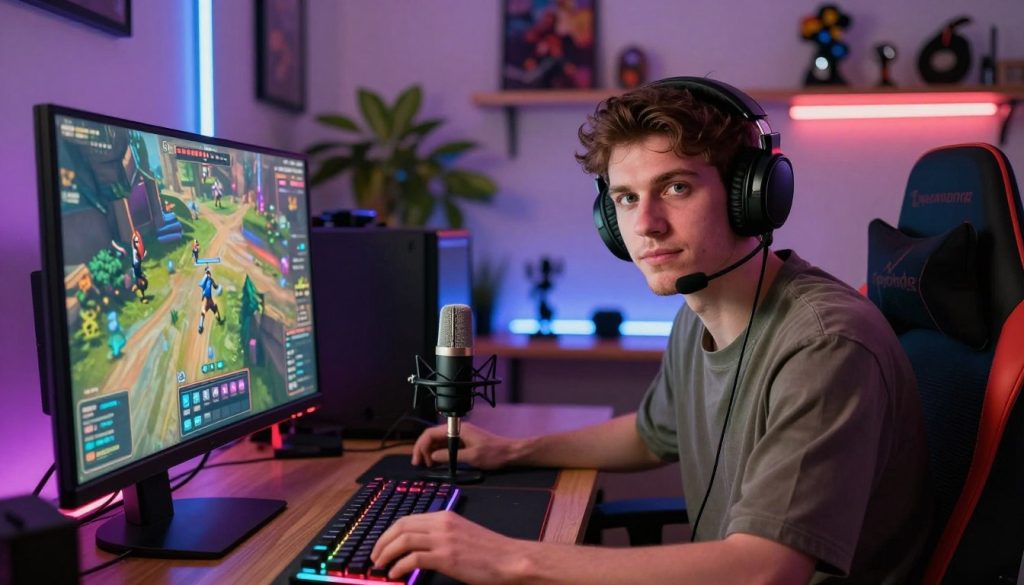
The secret to engaging content often lies in camera placement. A well-crafted streamer pov shot makes your audience feel like they’re right next to you. It creates a sense of closeness that wide shots can’t match.
Positioning the Camera for Immersive Engagement
To get the best results, balance camera placement and field of view. Aim to show your hands and the screen without blocking your reactions. Strategic placement ensures the camera captures the action without being in the way.
Here are some tips for the best setup:
- Mount your camera slightly above your monitor for a natural view.
- Use a flexible arm or small tripod to hide the camera in your desk’s corner.
- Make sure the lens is angled to show your keyboard and mouse clearly.
Maintaining Focus During Rapid Movements
Quick hand movements can confuse camera sensors. If your camera keeps adjusting focus, it can pull your viewers out of the experience. Adjust your autofocus settings to handle these fast changes.
Most cameras let you choose face or eye tracking. But for a desk-focused shot, pick a specific focus area. Locking focus on your hands or keyboard stops the lens from searching for a new subject when you move. This technical adjustment keeps your image sharp during exciting moments.
Improving your streamer pov takes both physical setup and software tweaks. Once you get it right, your audience will feel more connected than ever.
Implementing Over-Shoulder Angles for Narrative Depth
Mastering the over-shoulder perspective is key to blending your physical presence with digital content. This method adds a cinematic quality that makes your audience feel like they’re looking over your shoulder. It turns them into active participants in your stream.
By showing both your reactions and the screen, you create a shared space. This feels more immersive than a standard static webcam setup.
Balancing the Frame Between Subject and Screen
To get the balance right, pay close attention to your position. Your shoulder or side profile should take up about one-third of the frame. The monitor should take up the other two-thirds. This rule of thirds keeps both elements in balance.
Sitting too close to the camera can block the screen, making it hard for viewers to see. Sitting too far back can make you seem disconnected. Aim for a natural, relaxed posture that keeps you visible and doesn’t block the screen.
Using Depth of Field to Direct Viewer Attention
A shallow depth of field is your best tool for guiding the viewer’s eye. Use a wider aperture to keep yourself sharp while blurring the background or monitor edges. This visual hierarchy ensures the audience focuses where you want them to.
Adjust your focus settings to highlight important parts of your content. This adds polish, making your stream stand out. Use the table below to find the best framing strategy for your content.
| Stream Type | Primary Focus | Framing Strategy |
|---|---|---|
| Competitive Gaming | Gameplay Action | Wide over-shoulder to show reactions |
| Creative/Art | Detailed Work | Tight over-shoulder to show precision |
| Just Chatting | Host Personality | Balanced center-weighted composition |
| Tech Tutorials | Screen Content | Side-profile to prioritize monitor visibility |
Techniques to Simulate a Professional Dolly Zoom
You can add a touch of cinema to your stream by learning to dolly simulate like a pro. This effect makes your subject stand out by changing the background. It’s a way to make your stream look like a big-budget movie.
Understanding the Optical Illusion of the Dolly Effect
The magic of this effect comes from how the camera, subject, and background interact. When you zoom while moving the camera, the background seems to move. This makes your face the main focus.
This dramatic visual distortion is great for showing strong emotions or big moments. It grabs the viewer’s attention right to your face.
Software and Hardware Requirements for Smooth Transitions
To pull off this effect, you need top-notch equipment. A 4K sensor is key to keep your image sharp, even when you zoom in.
Good software is also crucial for smooth transitions. Here’s what you’ll need:
- High-Resolution Camera: A 4K sensor keeps your image clear when you zoom in.
- Digital Zoom Plugins: Use OBS-compatible plugins for smooth zooms.
- Stable Tripod: Smooth, controlled movements are essential for steady footage.
- Powerful Processor: Your computer must handle the zooming without lag.
With the right gear and software, you can make your stream look pro. Practice to make the zooms feel natural and on purpose.
Advanced Hyper Zoom Transitions for High-Energy Content
Hyper zoom transitions can turn your stream into a movie in seconds. These quick movements keep the energy high, perfect for highlight reels or intense gameplay. A good streamer pov shift keeps viewers hooked, matching the excitement on screen.
Timing Your Zooms with Audio Cues
Getting your transitions right is key. Match your zooms with audio cues like music drops or sound effects. This makes your stream feel smooth and professional.
Linking your camera moves to the stream’s audio creates a natural flow. This makes every streamer pov change feel planned. Being consistent builds a unique style your viewers will love.
“The most effective transitions are those that the audience feels rather than sees. When audio and visual cues align perfectly, the viewer remains fully immersed in the experience.”
Avoiding Motion Sickness in Your Audience
High-energy content is fun, but don’t forget about your viewers’ comfort. Fast, jerky movements can cause motion sickness, making people leave. Aim for smooth transitions to keep everyone comfortable.
The table below shows how different zoom speeds affect viewers:
| Transition Speed | Viewer Impact | Best Use Case |
|---|---|---|
| Slow Ease | High Comfort | Narrative storytelling |
| Moderate Snap | Balanced | General gameplay |
| Instant Cut | High Intensity | Highlight reels |
Always test your transitions before going live. Find the right speed to keep your content fun for everyone.
Integrating Automated Tracking Systems
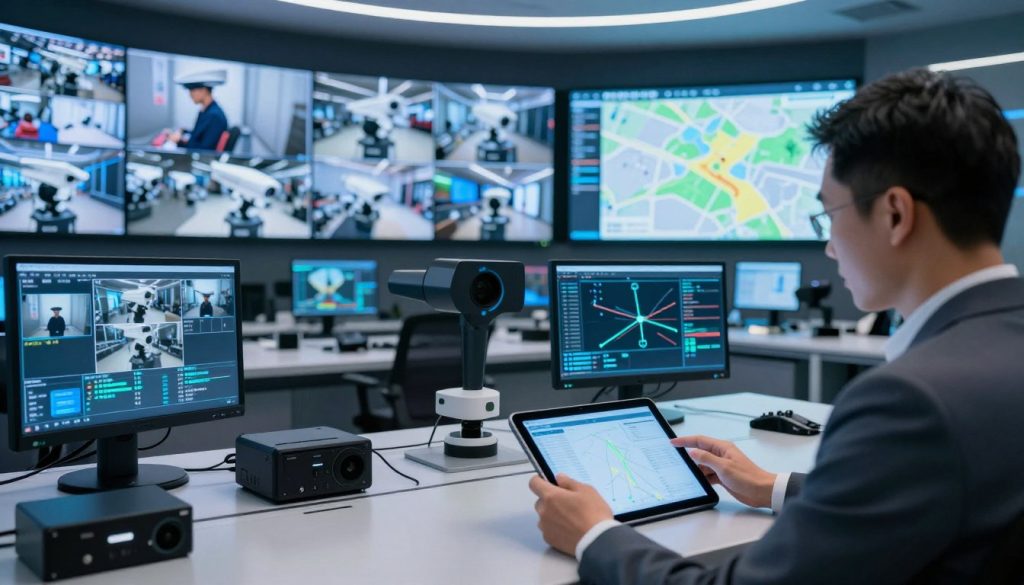
Modern streamers use automated tracking systems to look professional without a camera operator. These tools change how solo creators manage their visual presence. They make sure your camera follows you smoothly, keeping you centered on screen.
Configuring AI-Driven Face Tracking
To start, you need to set up your software to recognize your face. Most AI solutions need a quick initial scan to learn your movement range. After that, it adjusts your camera’s pan and tilt as you move.
It’s key to fine-tune the sensitivity settings for smooth tracking. A steady, slow tracking speed makes your stream more immersive. Try moving slowly to see if the software tracks your face smoothly.
Manual Overrides for Creative Control
Automation is great, but sometimes you need to take control. Manual overrides let you switch to a specific angle for certain parts of your stream. This keeps your artistic vision in focus during key moments.
Assign these overrides to a stream deck or hotkey for easy access. This way, you can switch between automated tracking and manual settings. This balance is what makes a stream professional.
Refining Your Camera Choreography for Live Streams
Breaking your stream into parts lets you use camera choreography to keep viewers interested. Planning your camera movements in advance helps you focus on your content. You won’t have to worry about your equipment during the live show.
Creating a Shot List for Different Stream Segments
A detailed shot list is key to your broadcast. Divide your stream into parts like the opening, intense gameplay, and casual chats. Each part should have its own camera choreography to keep things fresh.
Use a close-up angle for exciting gaming moments to draw viewers in. Switch to a wider view for “Just Chatting” to make it feel more personal. This planning keeps your stream looking professional from start to finish.
Transitioning Between Angles Without Breaking Immersion
Smooth transitions are crucial to keep your audience engaged. Sudden or harsh cuts can pull them out of the story. Practice your camera choreography transitions until they feel smooth and natural.
Try using gentle zooms or fades when changing camera angles. These methods hide the technical side, making your stream feel like a cinematic broadcast. When you get these transitions right, your audience stays fully engaged with you and your message.
Common Mistakes to Avoid When Changing Angles
Even the most polished stream can suffer from technical glitches. These glitches can disrupt your visual flow. It’s important to stay alert, as small mistakes can ruin the immersion you work hard to create.
Spotting these issues early helps you keep a professional standard. This standard keeps your audience engaged and interested.
Preventing Jittery or Unstable Footage
Jittery footage often comes from software conflicts, not hardware problems. Check your browser extensions and ad blockers. These tools can block important site elements needed for smooth camera transitions.
When these scripts fail to load, your stream may stutter or have frame drops. Always update your streaming software to the latest version to avoid compatibility issues. Consistent frame rates are key for high-quality broadcasts.
If you notice instability, try disabling non-essential browser plugins during live sessions. This frees up system resources.
Managing Latency in Automated Systems
Latency is a big problem for dynamic camera work. When using AI-driven tools to dolly simulate movement, any delay can be jarring. You need to adjust your tracking sensitivity to match your movement speed.
High latency often happens when your CPU or GPU is busy with other tasks. By optimizing your encoder settings, you can reduce processing time for automated transitions. Precision in your setup makes every zoom and pan feel natural to viewers.
| Issue Type | Common Cause | Recommended Fix |
|---|---|---|
| Jittery Motion | Browser Ad Blockers | Whitelist your stream URL |
| Input Lag | High CPU Usage | Lower encoding preset |
| Dolly Simulate Error | Software Latency | Calibrate tracking speed |
| Frame Drops | Network Congestion | Use a wired connection |
Software Tools and Plugins for Enhanced Camera Control
Using specialized software tools can greatly improve your production quality. Your camera captures the image, but the software is the brain of your broadcast. With the right tools, you can turn simple footage into a stunning visual experience for your viewers.
Utilizing OBS Plugins for Scene Switching
Open Broadcaster Software (OBS) is a top choice for a reason. It has powerful plugins for automating scene changes. This lets you focus on your performance while the software handles the technical details.
Try plugins like “Move Transition” or “Advanced Scene Switcher.” They help you smoothly switch between camera angles. Set triggers for audio levels or time intervals to keep your stream engaging and professional.
Advanced Editing Techniques for Post-Production Polish
After your stream ends, the work doesn’t stop. Advanced editing in post-production can make your content shine. Use color grading to match the look of all your camera angles, creating a consistent visual style.
Adding motion blur or sharpening filters can also boost your footage’s quality. Consistency is key to building a recognizable brand. By refining your segments, you give your audience high-quality content that stands out online.
| Tool Category | Primary Benefit | Ease of Use |
|---|---|---|
| OBS Plugins | Automated Scene Switching | Moderate |
| Color Grading Software | Visual Consistency | High |
| Motion Tracking Apps | Dynamic Focus | Advanced |
| Audio Sync Tools | Perfect Alignment | Easy |
Conclusion
Learning these camera techniques can turn your stream into a top-notch production. You can grab your audience’s attention with POV, over-shoulder, and hyper zoom shots.
Using these techniques regularly makes your stream more engaging. It helps you connect better with your viewers. When your visuals match your content’s energy, it’s more powerful.
Getting good at this takes practice and knowing your equipment well. Make sure your gear is set up right for smooth transitions.
Try out these methods to find your unique style. Your viewers will appreciate the quality you bring to your streams. Start improving your camera skills today to shine online.
FAQ
What is camera choreography and how does it improve your stream?
Camera choreography means planning camera moves and angles to make your stream more engaging. It helps you tell a story and keep viewers interested. This is especially true for exciting moments or when sharing personal stories.
Why do you need to ensure JavaScript is enabled in your browser for streaming?
JavaScript is crucial for many plugins and widgets in OBS Studio or Streamlabs. Without it, your stream might not work right. This includes automated overlays and tracking software that are key to your performance.
How can you successfully dolly simulate without expensive professional equipment?
To create a dolly zoom effect without fancy gear, mix digital zoom with small camera movements. This trick makes the background seem to move while you stay in focus. It’s a cool effect seen in movies.
What impact did Pokimane have on AI-driven camera angles for streamers?
Pokimane introduced high-quality, AI-driven framing that changes based on the creator’s position. This raised the bar for streamer views, showing the need for good hardware for real-time tracking.
Which lenses are best for maintaining focus during rapid movements?
For sharp focus during quick movements, choose lenses from Sony or Canon. Pick a lens that keeps you in focus, even when you move. A wide-angle lens with good autofocus is best for action-packed content.
How do browser extensions or ad blockers affect your streaming software?
Some browser extensions or ad blockers can mess with your stream. They might cause delays or stop your tracking software from working right. This can lead to technical issues during your stream.
What are the best ways to prevent jittery footage during high-energy transitions?
To avoid shaky footage, make sure your lighting is good. This helps your software see you clearly. Also, use stable OBS plugins like Move Transition to keep your zooms smooth.
How do you avoid causing motion sickness during Hyper Zoom transitions?
To avoid making viewers feel sick, time your zooms with music or game moments. Quick zooms should be short and meaningful. Planning your shots helps keep the stream exciting without overwhelming viewers.
Why is lighting essential for consistent AI face tracking?
Good lighting is key for AI face tracking to work well. Without even light, like Elgato Key Lights, your software might lose focus. This can cause laggy transitions and ruin your stream.
How do you balance the frame in an over-shoulder angle?
For an over-shoulder angle, balance the frame between you and the screen. Use a shallow depth of field to focus attention on the screen. This keeps you as a stable, narrative element in the foreground.