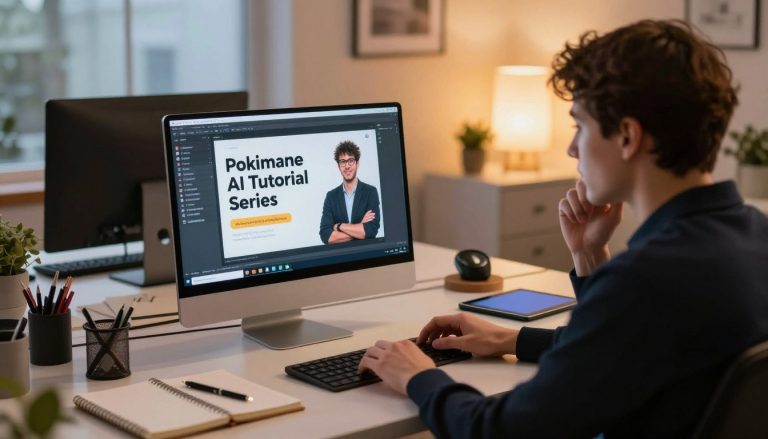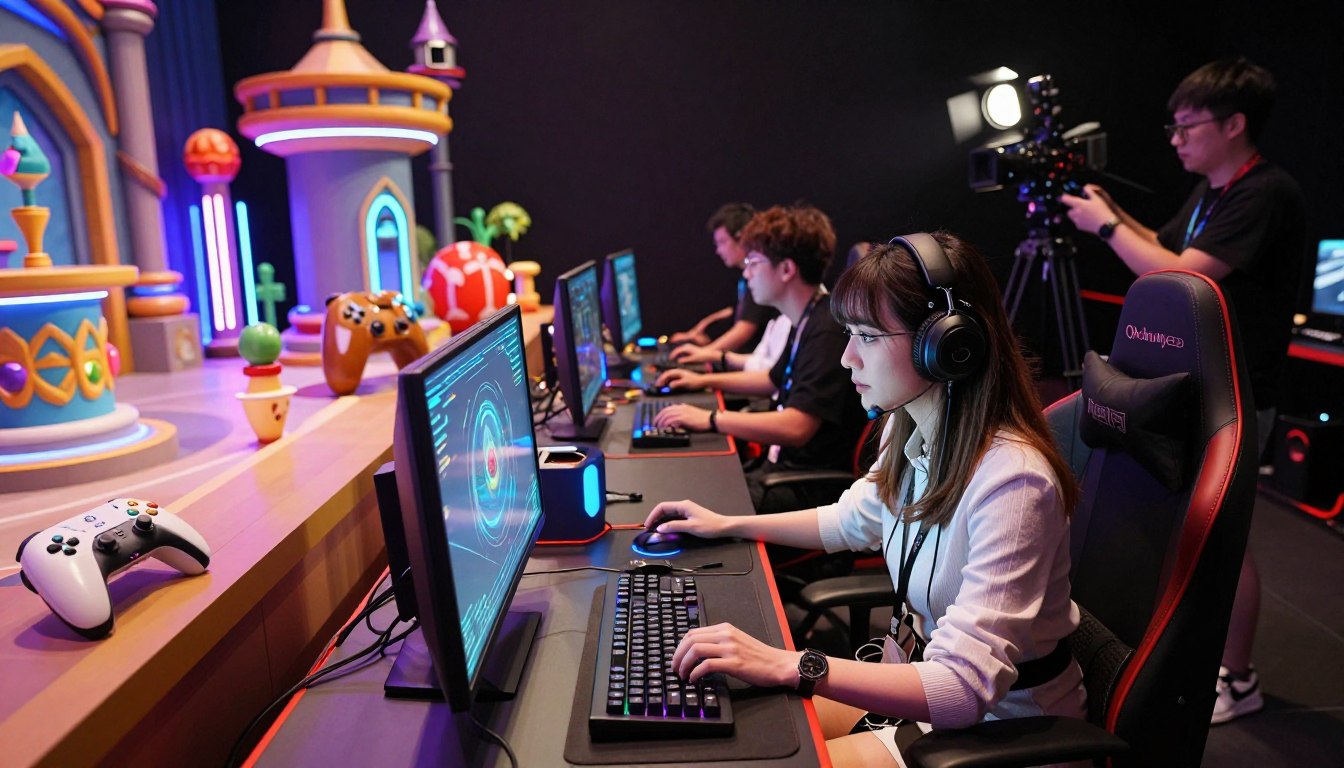
Building Backstage Fantasies with Prop-Driven Prompts
Ever thought about how top creators turn a simple room into a pro production set with digital tools? The secret is in mastering the environment with precise prompts.
Now, you can make your dreams come true by using advanced diffusion models. This guide will show you how to create a pokimane ai backstage fantasy that feels like a real live stream setup.
By using specific prop-driven techniques, you’ll go beyond basic images. We’ll teach you to build complex, visually stunning scenes that look like a real studio. This way, you keep full control over your creative process.
Whether you’re an experienced designer or just starting, these methods will boost your digital work. Let’s explore how to build your own pokimane ai backstage fantasy with precision and style.
Key Takeaways
- Learn to use advanced diffusion models for realistic environment design.
- Master prop-driven prompts to add depth to your digital scenes.
- Transition from simple image generation to programmatic construction.
- Discover techniques to capture the professional essence of production sets.
- Improve your creative workflow with structured prompt engineering.
Understanding the Core Concepts of AI-Generated Backstage Fantasy
To create a digital scene, you need to know the basics of a backstage fantasy. It’s not just about putting things in a picture. It’s about making it feel like a real production studio.
Focus on light, shadow, and technical gear to make your digital space believable. This way, your work will feel real and professional, not fake or broken.
Defining the Aesthetic of Backstage Environments
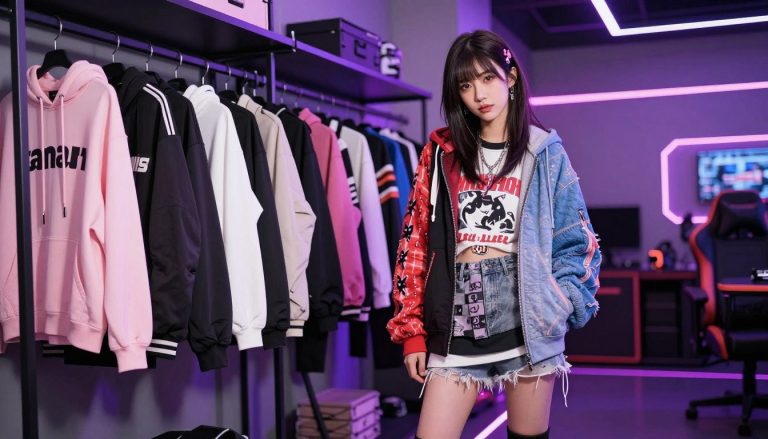
A good backstage fantasy looks great because of how equipment is arranged. Think of your scene as a real set where every piece of gear has a role. This makes the space feel deep and pulls the viewer into the story.
To look authentic, mix the mess of production gear with clean, focused lighting. This mix makes your pokimane ai backstage fantasy look like a top studio, not just a bunch of stuff. Aim for a space that feels lived-in but still organized.
The Role of AI in Creative Scene Building
AI models like the Nano Banana Pro change how we make scenes. They use a reasoning engine to follow instructions accurately. This means the AI builds your scene step by step, understanding what you want.
This skill is key for keeping a theme in your images. By giving clear instructions, the AI handles the details of space and objects. This teamwork between your ideas and the AI’s power leads to consistent results.
Why Prop-Driven Prompts Enhance Realism
Using prop-driven prompts adds detail to your work. By telling the AI what props to use, you guide it to success. This way, every part of your scene adds to the backstage fantasy look.
The table below shows how different props affect your scene’s quality:
| Prop Category | Visual Impact | Realism Level |
|---|---|---|
| Lighting Rigs | Creates depth and mood | High |
| Production Cables | Adds texture and clutter | Medium |
| Camera Gear | Establishes professional context | High |
| Background Decor | Sets the thematic tone | Medium |
Using these categories in your prompts makes a big difference. When you mix them with AI’s smart abilities, you get a pokimane ai backstage fantasy that’s immersive and polished.
Preparing Your Creative Workspace for Pokimane AI Backstage Fantasy
A well-organized workspace is key for any pokimane ai backstage fantasy project. It helps keep your workflow smooth and efficient. This way, you can focus on the artistic details without setup issues.
Selecting the Right AI Image Generation Tools
Choosing the right software is crucial for quality results. Look for tools that let you control your canvas well. For example, Nano Banana Pro lets you define specific zones in your image.
This precision keeps your subject clear from the background. When your tool can tell a prop from a person, your pokimane ai backstage fantasy will look better. Always test your software to make sure it has the layering features you need.
Setting Up Your Prompting Environment
Your prompting area should be clean and free from distractions. Keep a text file or digital notepad to track your best keywords. This helps you improve your prompts quickly.
Try using a split-screen layout on your monitor. This way, you can see your tool and prompts at the same time. A streamlined setup means better quality in your images.
Organizing Your Reference Materials and Mood Boards
Visual consistency is important for a great project. Before starting, gather your references into a mood board. Include lighting, colors, and prop styles that match your pokimane ai backstage fantasy theme.
Having these references nearby keeps your prompts on track. A well-organized mood board helps your AI stay true to your concept. Curating these assets saves you from hours of editing later.
Curating Your Essential Prop List for Immersive Scenes
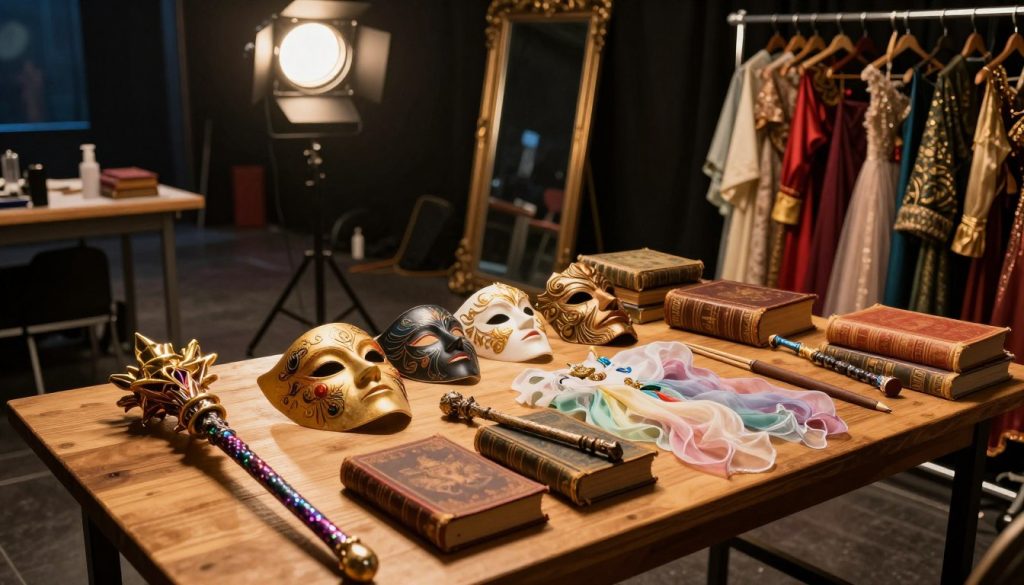
A well-organized prop list is key for any top-notch backstage fantasy project. Choosing the right items makes your digital creations feel real. This makes sure every part of your scene works together well.
Categorizing Props by Backstage Themes
Grouping items by theme helps keep your visuals consistent. For example, a lively concert needs different gear than a calm film studio. Organizing your assets makes your work easier.
- Lighting Rigs: Softboxes, LED panels, and vintage spotlights.
- Camera Gear: Tripods, cinema cameras, and external monitors.
- Production Tools: Script binders, coffee mugs, and tangled XLR cables.
Sourcing High-Quality Visual References
Finding accurate visual data is crucial for your AI work. Look for high-res images of real film sets to see how gear is set up. Authenticity in your references boosts your final output’s quality.
Use professional photography databases or behind-the-scenes documentaries for inspiration. These sources offer lots of detail on how real-world productions arrange their gear.
Balancing Foreground and Background Elements
Creating depth is essential for a great backstage fantasy. Place your prop list items carefully to guide the viewer’s eye. Foreground items, like a blurred camera lens, add realism and make the image feel real.
| Prop Category | Placement Strategy | Visual Impact |
|---|---|---|
| Lighting Equipment | Background/Mid-ground | Adds depth and warmth |
| Camera Accessories | Foreground | Creates a cinematic frame |
| Production Paperwork | Surface/Tabletop | Provides narrative context |
Mastering Scenario Layering Techniques
Scenario layering is key for creators aiming to create deep backstage scenes. It involves layering visual elements to achieve cinematic depth. This makes your work look professional and well-thought-out, not just random.
Building Depth Through Foreground Framing
Foreground framing connects the viewer to your subject. Use props like camera gear, cables, or curtains to create a natural border. This technique makes the scene feel real, as if the viewer is in the wings.
Integrating Lighting Props to Create Atmosphere
Lighting is crucial for any backstage scene. Add props like neon signs, spotlights, or mirrors to set the mood. These elements light up the scene and guide the viewer’s eye.
Managing Subject Placement Within the Frame
Good scenario layering means thinking about your subject’s position. Use symbolic reasoning to keep your subject in focus while interacting with props. Precision in placement ensures your subject feels connected to the scene, making every element meaningful.
Crafting Effective Prompts for Backstage Settings
To create a captivating backstage fantasy, you need a smart plan for your input data. Knowing how AI models work helps you get the exact look you want. This turns your dream into a real image.
Structuring Your Prompt for Maximum Detail
For top results, use a clear structure in your prompts. Nano Banana Pro is great at understanding these details. It lets you set the scene, lighting, and where things are with precision.
- Subject: Clearly state what’s most important.
- Environment: Describe the backstage area with all the details.
- Atmosphere: Choose words that set the mood of your backstage fantasy.
Incorporating Technical Keywords for AI Precision
Adding technical terms to your prompts can save you a lot of time. These words tell the AI what style or view to focus on. Using the right words helps avoid a messy scene and keeps your backstage fantasy looking great.
“The quality of your output is directly proportional to the clarity of your instructions; precision is the ultimate tool for the digital artist.”
Use terms like depth of field, volumetric lighting, or cinematic composition to guide the AI. These keywords help keep the look professional.
Refining Prompts Through Iterative Testing
Getting the perfect backstage fantasy takes time and effort. You need to keep trying and tweaking your prompts. This way, you can see what works and what doesn’t.
Keep track of your best prompts to build a collection. By changing one thing at a time, you learn how the AI understands your ideas. Consistency is key for achieving the look you want in your digital projects.
Advanced Techniques for Prop Integration
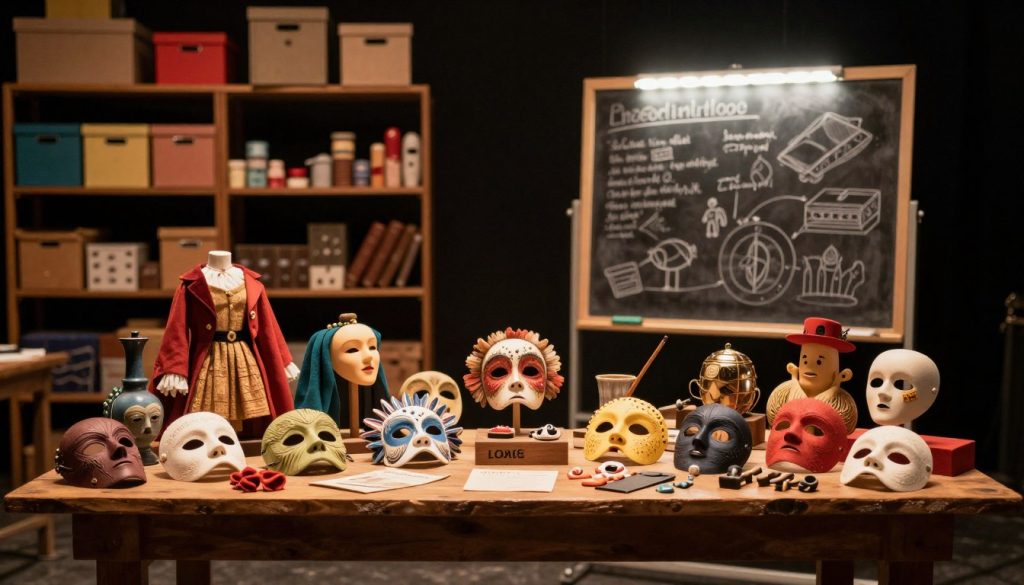
Mastering prop placement and style modifiers unlocks your creative potential. By going beyond basic generation, you can create a prop list that sets the mood of your scene. These advanced techniques make sure every element has a purpose, without overwhelming the viewer.
Using Negative Prompts to Remove Clutter
Negative prompts help filter your creative vision. By listing items to exclude, you avoid distractions in your scene. This keeps your focus sharp and your composition clean.
Use these common negative terms to keep things clear:
- Blurry or distorted textures
- Unwanted background noise
- Overlapping or floating objects
- Excessive visual clutter
Applying Style Modifiers for Cinematic Effects
Style modifiers can make your images look professional and film-like. You can add specific lighting or color grading to enhance the scene. Nano Banana Pro technology ensures props react naturally to these changes.
Try these modifiers to improve your work:
- Cinematic lighting for dramatic shadows.
- Depth of field to isolate your subject.
- Color grading to set a specific emotional tone.
Adjusting Aspect Ratios for Better Composition
The frame’s shape affects how your prop list and subject are seen. Wider ratios show scale, while vertical works for portraits. Experiment with ratios to find the best fit for your story.
“Composition is the strongest way of seeing.”
Test different dimensions to see their impact on your props and environment. Proper framing keeps your hard work in focus.
Troubleshooting Common AI Generation Challenges
Getting perfect AI images needs a careful approach to fix common mistakes. Even with a detailed prop list, technical problems can pop up. It’s crucial for creators to know how to solve these issues.
Fixing Prop Distortion and Artifacts
Distortion happens when AI has trouble with object placement. If your prop list shows warped or merged items, simplify your prompt. Use negative prompts to avoid blurry edges or deformed shapes.
Improving your input can make textures clearer. Adjusting keyword weights helps the AI understand your scene better. Regular testing keeps your images sharp and professional.
Correcting Lighting Inconsistencies
Lighting problems often come from conflicting light sources. Define a main light source in your prompt, like “soft studio lighting.” This guides the AI in placing shadows and highlights.
If colors seem off, use post-generation tools to match them. Consistency is key for a unified scene. Adjusting contrast and saturation can fix color mismatches.
Managing Complex Subject-Prop Interactions
Dealing with character and environment interactions is tough. Tools like Nano Banana Pro help manage character pipelines. This keeps identity and pose consistent while you try different props.
If a character can’t hold an item right, try re-generating the scene. Focus on the hand-object connection. Breaking down interactions into smaller steps often improves results. Here’s a table with common problems and solutions.
| Issue Type | Primary Symptom | Recommended Solution |
|---|---|---|
| Prop Distortion | Warped shapes | Simplify your prop list |
| Lighting Mismatch | Conflicting shadows | Define a single light source |
| Interaction Error | Floating objects | Use character pipeline tools |
| Style Inconsistency | Mixed textures | Apply uniform style modifiers |
Refining and Polishing Your Final Imagery
The last step in your creative journey is making fine-tuned adjustments for top-notch visuals. AI tools lay a solid base, but your personal flair turns it into art. By focusing on scenario layering, you can add depth and clarity that makes your backstage fantasy truly stand out.
Post-Generation Editing Tips
First, work on color balance and contrast to make lighting look natural. Use Adobe Photoshop or Lightroom to sharpen details that might have gotten fuzzy. Small adjustments to saturation can make props stand out against the background, enhancing the experience.
“The details are not the details. They make the design.”
Upscaling for High-Resolution Output
Upscaling is key for printing or showing your work on big screens. Tools like Nano Banana Pro help keep your structural hierarchy intact while boosting pixel density. This ensures your scenario layering stays sharp, even at high resolutions.
Always check for artifacts that may show up during upscaling. If you see distortion, try a light denoise filter. This keeps your image clean and professional.
Maintaining Consistency Across a Series
To tell a cohesive story, your images must share a common look. Use the same color grading presets for every piece to tie them together. This consistency helps your audience recognize your style and keeps the scenario layering uniform across the project.
| Tool Category | Primary Function | Best For |
|---|---|---|
| Color Grading | Tone Adjustment | Mood Consistency |
| AI Upscalers | Resolution Boost | Print Quality |
| Layering Editors | Depth Control | Complex Scenes |
Conclusion
Using props to build backstage fantasies changes how you work with AI tools like Midjourney or Stable Diffusion. You now know how to make simple ideas into detailed stories.
Your success depends on using scenario layering in every project. This adds depth and makes your digital work stand out. It helps your work shine in a busy creative world.
Begin using these tips in your work today. Try different props to see how they change your scenes. With practice, you’ll get better at controlling what your AI creates.
Share your work with the digital art community for feedback and ideas. Your journey in creating detailed scenes is just starting. Keep exploring what your software can do with each new prompt.
FAQ
How does the Nano Banana Pro model enhance the realism of a backstage fantasy environment?
The Nano Banana Pro uses a smart engine to understand complex instructions. This lets the AI place equipment like ARRI Skypanels and Sony Venice cameras just right. It makes the setup look like a real production.
What is scenario layering and why is it important for my AI-generated images?
Scenario layering means building an image in layers. By adding blurred objects in the front, you draw the viewer in. This makes the image feel more real and three-dimensional.
How can I ensure that my Pokimane AI generations maintain a consistent look across different scenes?
To keep Pokimane looking the same, use complex character pipelines. Treat the canvas as zones to keep her features right. Then, add fantasy elements around her without changing her look.
What should I include in a prop list to make a backstage scene feel authentic?
Your prop list should have real technical gear. Include things like lighting rigs and monitors. This helps the AI arrange the scene in a way that looks professional.
How do technical keywords improve the precision of my AI output?
Using technical terms like “anamorphic flare” helps the AI. These terms guide the model to add specific effects. This makes your images more cinematic and detailed.
What is the best way to handle prop distortion or lighting inconsistencies in a generated image?
To fix issues, test and use negative prompts. Tell the AI to remove unwanted textures or light stands. For more complex problems, edit the image in Adobe Photoshop to keep things realistic.
How do I upscale my final backstage images without losing detail?
When making images bigger, keep the original design’s structure. Use tools like Topaz Photo AI to add detail without losing sharpness. This keeps your lighting and textures clear.
Why should I use mood boards and reference materials before prompting?
Mood boards help you see your desired look before starting. They guide you in choosing the right colors and setups. This makes your AI prompts more effective.